




























At Shenendehowa High School, students share almost everything, playlists, food recommendations, outfit ideas. But when a favorite find starts gaining too much attention, some students hit the brakes.
The practice known as gatekeeping, intentionally withholding information about a beloved song, spot or product from a wider audience, has become a new trend. As social media continues to accelerate how quickly niche interests become mainstream, students are split on whether protecting what feels personal is reasonable or just selfish.
Senior Oliver Modany said he does not gatekeep often but admitted he holds back when it comes to his music taste.
“I’m proud of my music taste, so sometimes I don’t share my personal music taste as much as I would with other things,” Modany said. “I feel a sense of pride in it being something that I discovered.”
Despite that instinct, Modany said gatekeeping is hard to justify most of the time.
“I think it’s more on the side of a jerk move,” he said. “You shouldn’t just do that because you want it to be yours. Usually, the things that people are gatekeeping aren’t that serious.”
Still, when asked whether he would reveal what he gatekeeps, Modany hesitated.
“Do you know the soccer website?” he said. “OK, I wouldn’t tell you.”
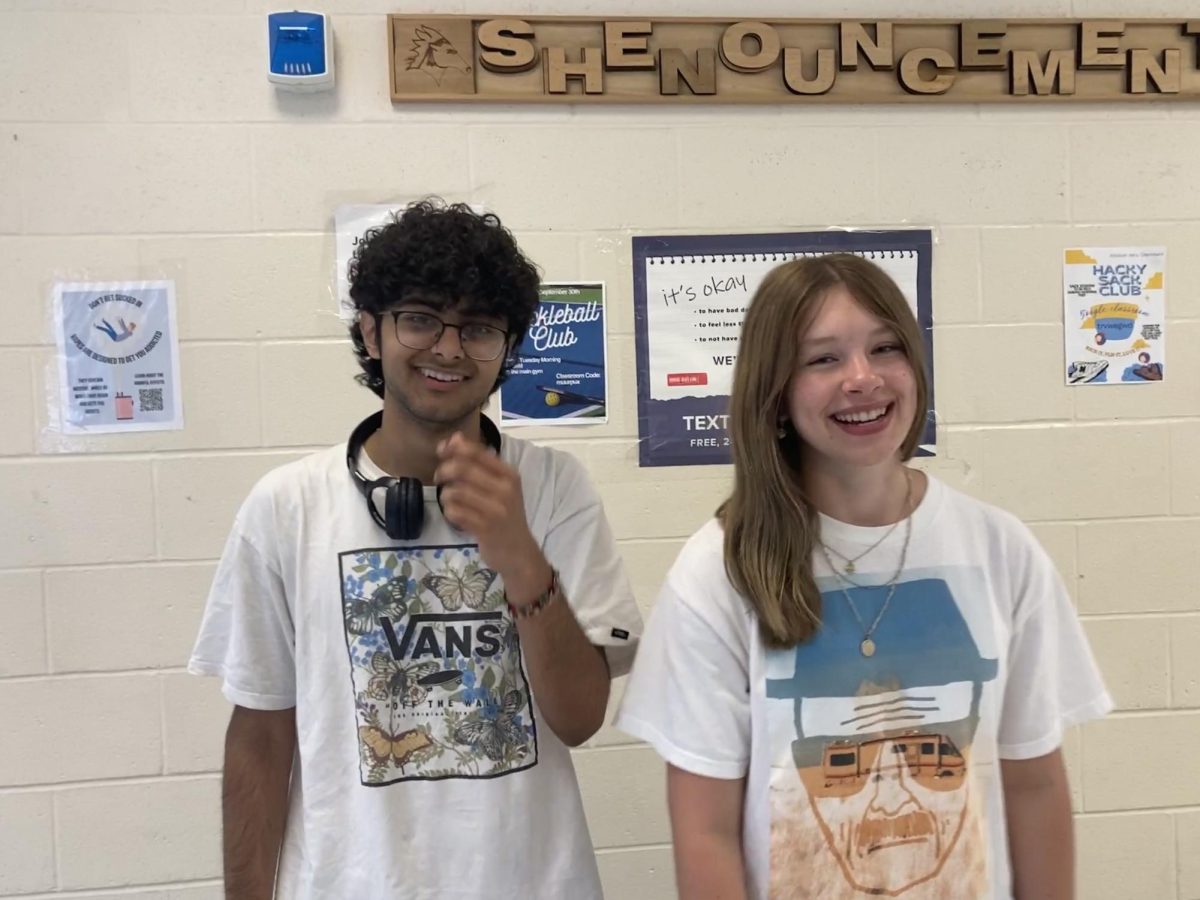
Senior Saran Jayanthi said that context matters. He said public goods like music and restaurants should be accessible to everyone.
“I feel that everyone should have the opportunity to access the same amount of enjoyment that I do,” Jayanthi said.
However, he drew a hard line at nature. Jayanthi said he does not want attention brought to his local outdoor spot because of the environmental damage that fame can cause.
“Unlike music and unlike restaurants, nature is especially susceptible to damage by humans,” Jayanthi said. “If a lot of people come to one nature spot, then that could ruin the local ecosystem.”
Jayanthi also admitted to gatekeeping his favorite chicken spot, which he said was a hidden gem. He said he worries that a surge in popularity could bring customers who do not respect the restaurant’s culture.
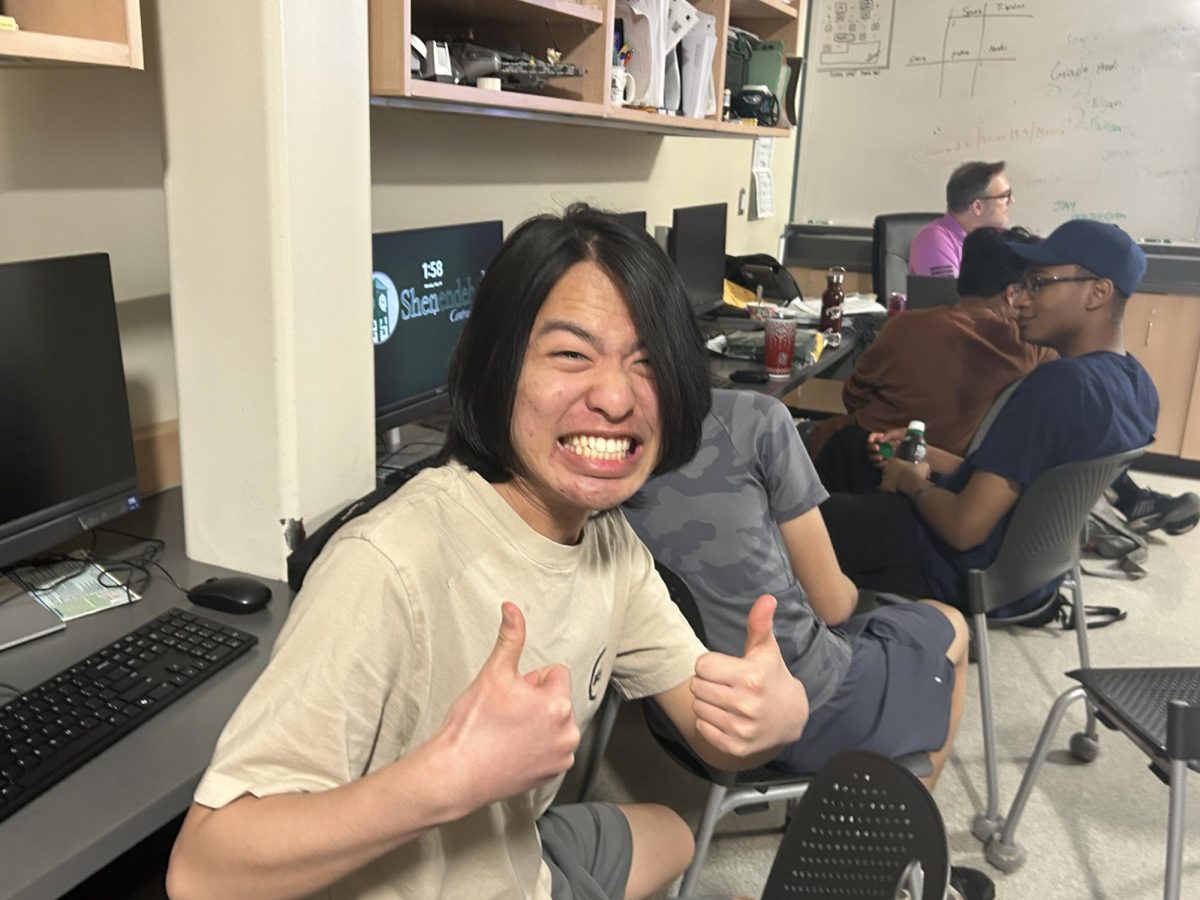
Senior Junyuan Shi offered strong defense of the practice. He said gatekeeping is generally a positive choice because certain preferences are deeply tied to identity.
“There are some things that are so unique to your own self-image,” Shi said. “Maybe you make a really specific dish or associate a specific song to a feeling, and those all make you your unique person. Sometimes it’s reasonable to not share it with other people.”
Shi said that he does not view gatekeeping as a character flaw.
“I don’t think it’s necessarily a jerk move, and I don’t feel it shows people who they are,” Shi said.