














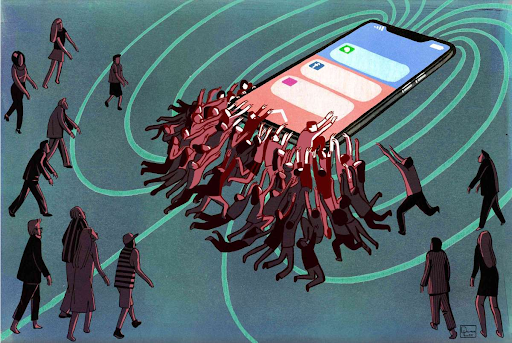

















Christmas, which was once known as a season of heartfelt gift giving, has turned into a large-scale event fueling consumerism and I believe we should stop supporting it.
Though the cherished tradition of gifting is still important, the increasing pressure to spend more, which is currently heightened by global economic issues like tariffs, makes the true meaning of the holidays less significant.
The statistics from the 2024 holiday season prove that Christmas consumerism has increasingly taken over the holiday season. According to the National Retail Federation, U.S. holiday spending rose from 945 billion dollars in 2023 to almost $995 billion in 2024 which is an increase of about 4 percent in just one year. This might seem insignificant but if this trend continues into this current year and the next it can lead to many different environmental issues, increased materialism, and greater financial stress.
Rising tariffs have also made an impact on consumer goods becoming a huge factor and greatly influencing the costs of holiday shopping. According to Maggie Davis, a writer at Leading Tree, “If current tariffs had been in place during the 2024 winter holidays, we estimate consumers and retailers would have faced an extra $40.6 billion burden from gift purchases.” These rising prices of imported items shoppers typically buy as gifts before Christmas put extra stress on those trying to budget tightly, making the holidays seem less cheerful with each swipe of the card.
To avoid supporting this commercial culture there are many alternatives to traditional Christmas spending that can help many bypass excessive spending. Experienced based gifts like planning a movie night, going for a night out in the town, or getting tickets to a show or concert might allow for lasting memories. Handmade gifts can also be a great alternative for example a heartfelt card, photo albums or even baked sweet treats. Shopping secondhand can be a great opportunity to find something even more special and rare. These alternative gifts can help emphasize relationships helping shoppers circle back to the original meaning of Christmas.
In conclusion, hyper-consumerism this holiday season is a rising issue that has begun to overshadow the true purpose of the holiday season making Christmas feel like yet another holiday obligation rather than a celebration and a time to cherish those you love. Choosing alternative gifts can make an impact shifting away from the consumer-driven traditions and reinforcing the holiday season as one to band together with family and friends appreciating others’ generosity rather than how much they spent.